- Art & Design
- Other
At Wøti, rough wooden boards are transformed into furniture pieces you'll never want to part with. The Belgian studio, founded in 2015 by William Hakelbracht, merges craftsmanship and innovation with a sharp focus on material and proportion.
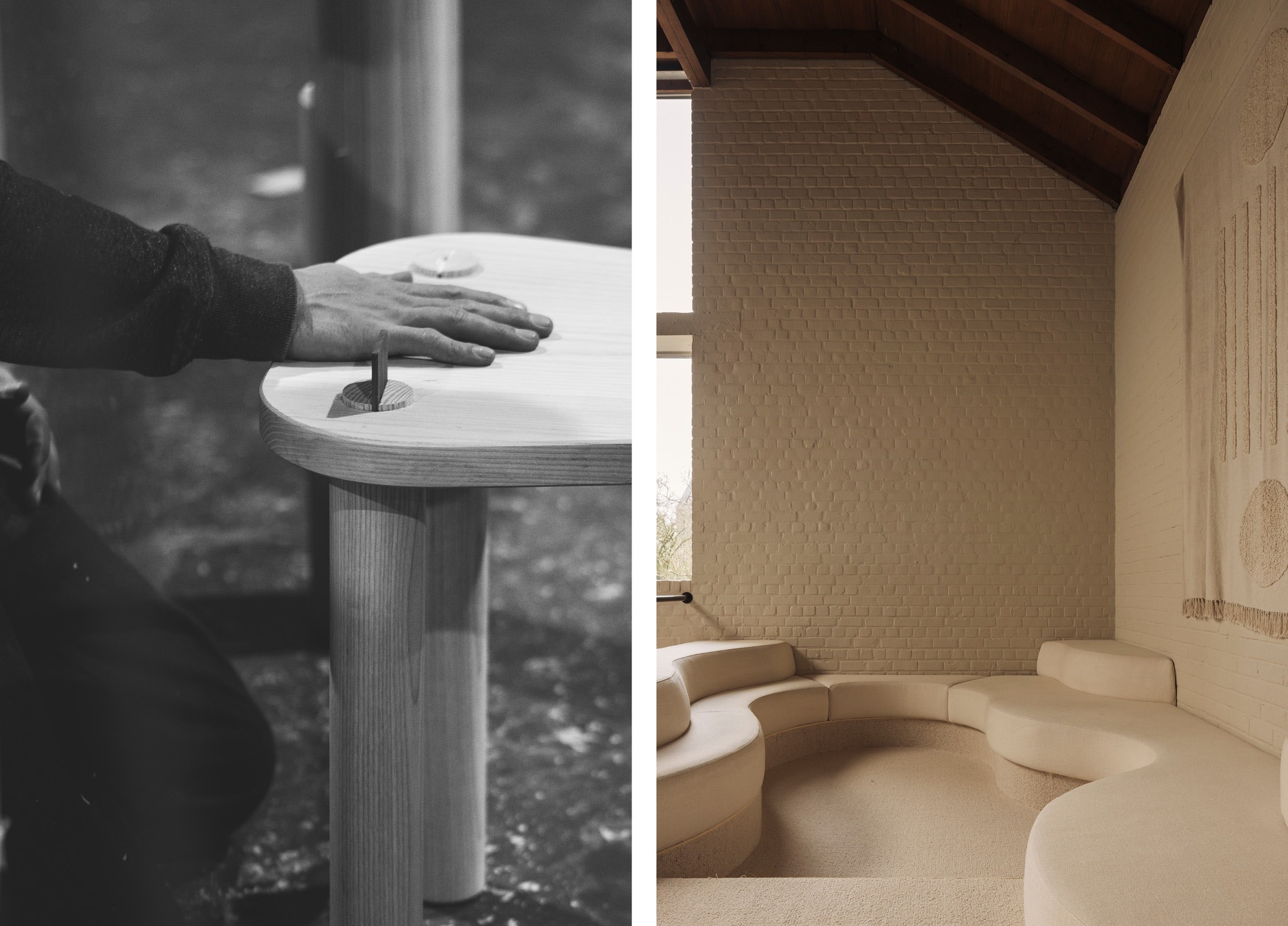 Before turning to woodworking, William Hakelbracht taught mathematics and physics. It was during the renovation of his own home that he discovered the potential of artisanal work, prompting a shift from classroom to workshop. Wøti — an acronym for William’s Ontwerp en Technische Inrichting/Innovatie (William’s Design and Technical Interior/Innovation) — has since evolved into a studio that stands for purity, precision, and sustainable design. At the heart of Wøti’s practice is the use of solid, natural materials. Every board, every piece of timber is carefully selected — not for colour or trend, but for its intrinsic quality. Oak, walnut or other hardwoods enter the studio in raw form and are worked by hand into something tangible, functional, and aesthetically balanced.
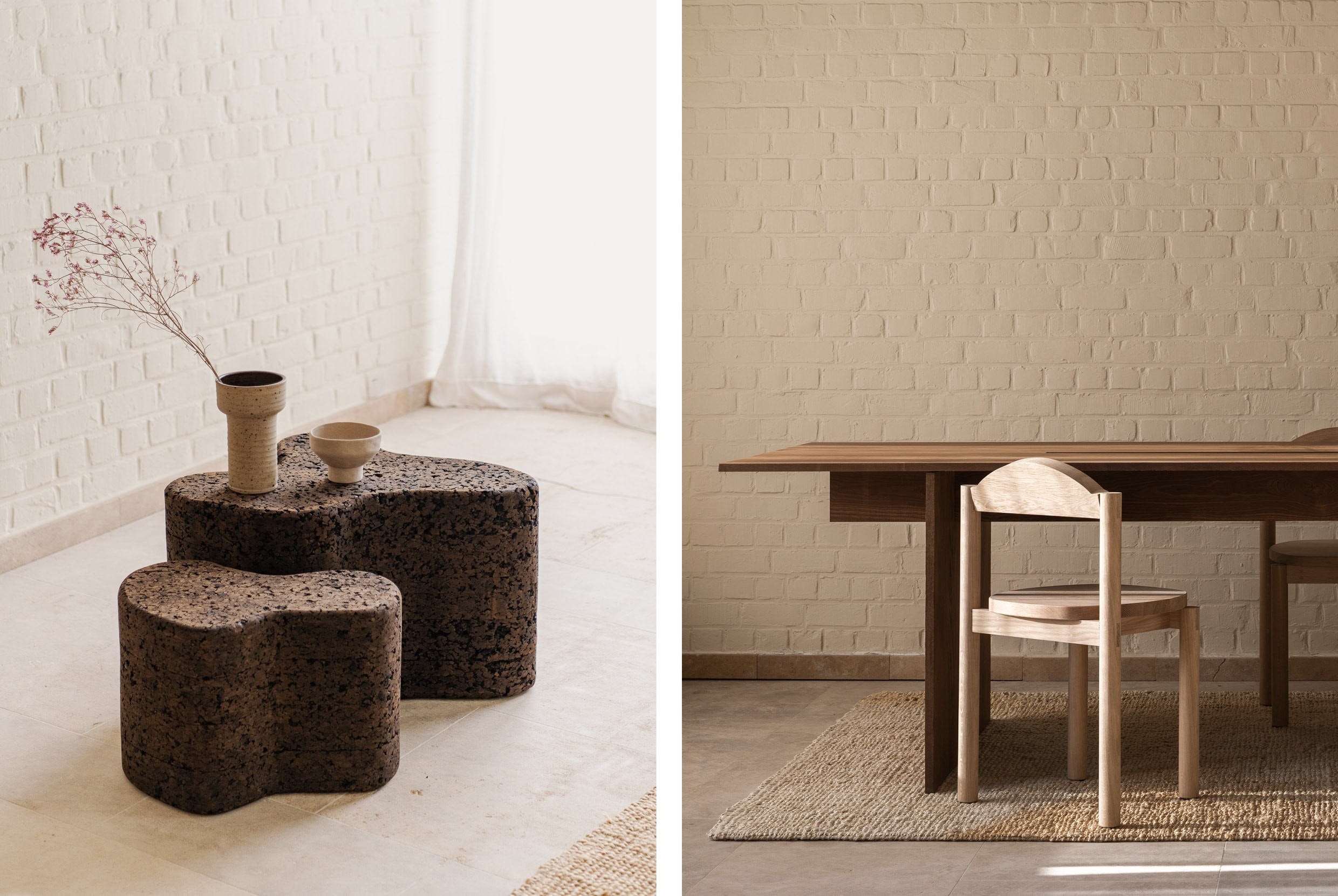 The studio’s design philosophy is clear: functionality comes first, but never at the expense of form. Each piece of furniture reveals its construction — nothing is concealed. Transparency in design means the structure remains visible, along with the logic behind every joint, line, and cut. Handmade and fully bespoke, every item is crafted for a specific space and user. Whether freestanding or built-in, each design begins with the material and its intended use.

‘Wood takes twenty years or more to grow, so I wish my furniture to last this long’
Sustainability is a core requirement in every creation. As the owner puts it himself: ‘Wood takes twenty years or more to grow, so I wish my furniture to last this long.’ This principle guides every aspect of form and construction: sober elegance designed for long-term use. 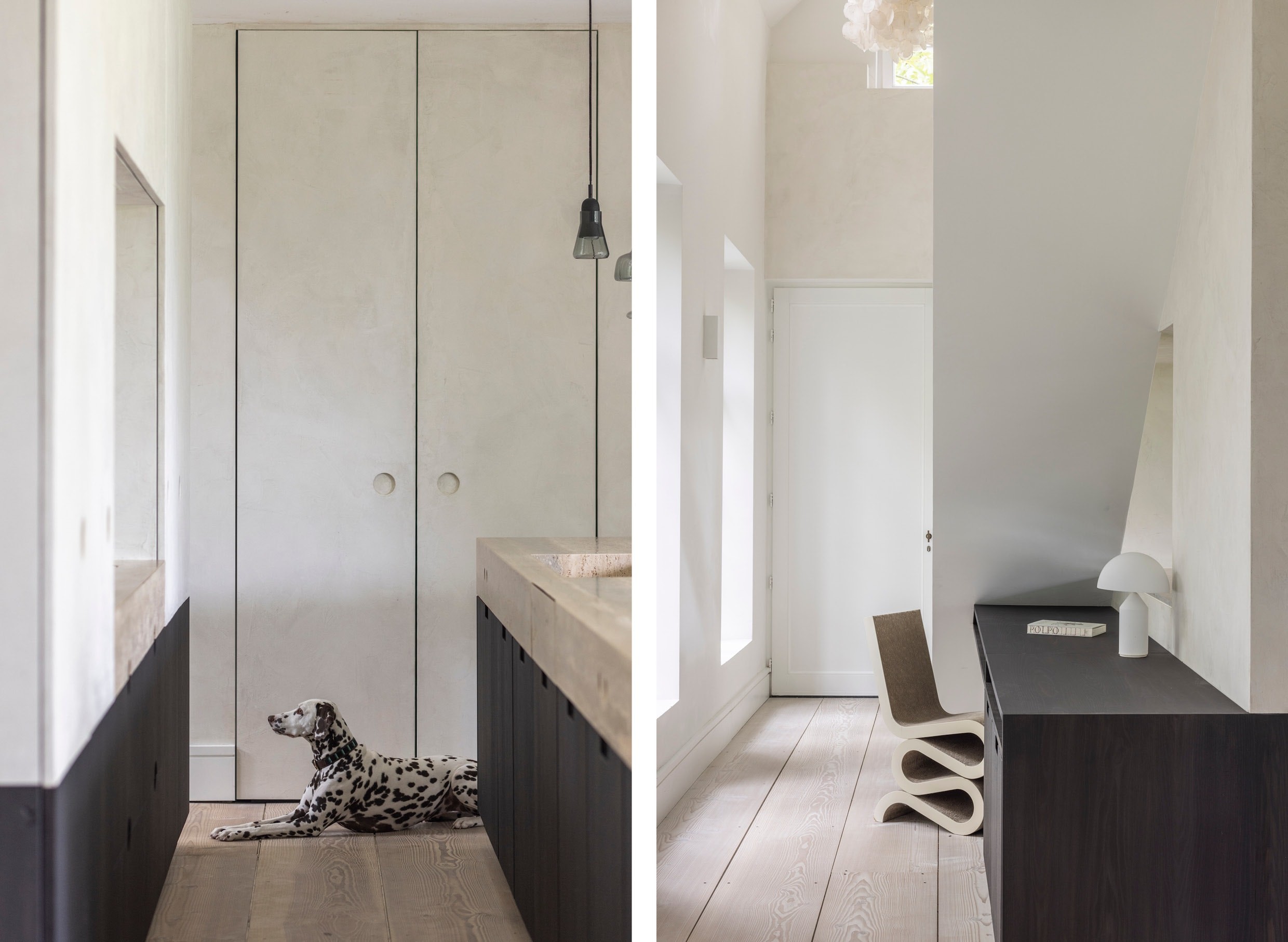 Wøti’s aesthetic could be described as off-grid luxury: luxurious in material and execution, yet consciously deviating conventional norms. The studio seeks interesting contrasts and dualities within each composition by playing with textures and qualities. Every piece is followed from start to finish in-house. No external production, no intermediaries. Just the rhythm of the material and the hand of the maker.
Curious about the book ‘Belgian Craftsmanship III’? It is available via shop.imagicasa.be.
Photography by Tijs Vervecken, Lars Bauwens and Birgit Sterckx
Text by Carolien Depamelaere